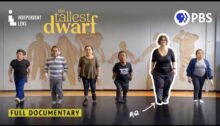
What We Get Wrong About Dwarfism

From PBS Voices. This program is made possible by viewers like you. Support your local PBS station: https://www.pbs.org/donate Enjoy full episodes of your favorite PBS shows anytime, anywhere with the free PBS app: https://to.pbs.org/2QbtzhR FOLLOW PBS: Facebook: https://www.facebook.com/PBS/ X: https://twitter.com/PBS/ Instagram: https://www.instagram.com/PBS/ TikTok: https://www.tiktok.com/@pbs Threads: https://www.threads.net/@pbs More about PBS Film Club PBS Film Club is…

What We Never Learned About Little People

From PBS Voices. This program is made possible by viewers like you. Support your local PBS station: https://www.pbs.org/donate Enjoy full episodes of your favorite PBS shows anytime, anywhere with the free PBS app: https://to.pbs.org/2QbtzhR 00:00 Cold Open: Is Reality TV the New Circus? 00:59 How Mark & Peet Met 2:15 Peet’s Book "Little Imperfections: A…

How Native Americans Read the Stars (And Built a Civilization) | Full Episode | Native America

From PBS Voices. Watch more with PBS Passport: https://to.pbs.org/2DdzTCv Trace ancient knowledge and cutting-edge science to answer a 15,000 year old-question: who were America’s First People? The answer hides in Amazonian cave paintings, Mexican burial chambers, and on the waves off California’s coast. [Originally aired in 2018] Modern scholarship and ancient oral tradition work side-by-side…

Why Some Amish Victims Stay Silent | Full Documentary

From PBS Voices. A child sexual assault survivor confronts her Amish community’s silence around sexual abuse. With rare access inside Amish communities, Keep Quiet and Forgive reveals stories of trauma, faith, and resilience as survivors seek justice and healing. Thirty years after her assault, Lizzie fights to expose Amish abuse and support survivors silenced by…

PBS Documentaries Channel Trailer

From PBS Voices. PBS Documentaries will debut an expansive, diverse collection of documentaries across all forms of nonfiction storytelling. The channel is part of a broader effort to serve public audiences through increased accessibility, while building a centralized, scalable hub that elevates PBS’s nonfiction content, features the best in feature-length independent film, and strengthens the…

The Untold Story of Deaf Theater

From PBS Voices. Throughout history, many Deaf people were told to prioritize speech over sign to help them “blend in” within a hearing-centered society. Deaf theatre pushes back by celebrating ASL and the uniqueness of Deaf culture. This film follows Daymond Sands, a Deaf theatre program director, preparing his first original showcase, highlighting the cast’s…

The Untold Story of Warrior Women in Chinese Opera

From PBS Voices. Think Mulan was one of a kind? Chinese opera’s been full of warrior women like her for centuries. Meet the “Wudan” and “Daomadan”: fierce fighters and generals in dazzling armor, flipping and spinning swords on stage. Once banned from performing—or even watching—the opera, women fought their way back a century ago, and…

What Happens When Embroidery Becomes Resistance?

From PBS Voices. Through embroidered maps, families in the Sierra Tarahumara keep their homeland alive. In Chihuahua City, Mexico, Rarámuri families from Coloradas de la Virgen keep their home in the Sierra Tarahumara alive through ritual, memory, and thread. This episode follows their narrative embroidery, showing how, amid violence and displacement, storytelling turns into a…

Why is a Griot so Important in the Black Community?

From PBS Voices. Yacouba Sissoko has a lifelong mission: to bring the ancient tradition of the griot (which you may have seen mentioned in the film "Sinners") to modern-day New York and the next generation of African Americans. Sissoko is “a living history book,” trained in the sacred oral storytelling tradition of Mali. Through the…

Why This Performance is an Act of Resistance

From PBS Voices. Chicano Theatre: The Act of Resistance explores the legacy of Chicano theatre—from the flatbed-truck actos of El Teatro Campesino to the groundbreaking work of teatristas redefining art and identity today. Through intimate conversations, rehearsals, and dynamic performances, we meet the new generation carrying the tradition forward with plays that honor and uplift…

How Creators Are Reframing Southern Identity

From PBS Voices. From Louisiana’s Creole history to Appalachia’s folktales to Memphis’s Black art scene, three creators are keeping Southern oral traditions alive. Jeremy K. Simien, Bryan “YoBreezye” Roberson, and Michael @TheAppalachianSon Story combine creativity, pride, and community to preserve stories for the future. From Front Porches to Feeds brings to life the art of…

What Do Disabled People Think of Assisted Dying?

From PBS Voices. Medical aid in dying, otherwise known as assisted suicide, is a hotly debated topic both morally and legally–especially in the disabled community. In "Life After" a new documentary from disabled filmmaker Reid Davenport, he investigates assisted dying and uncovers how ableism, policy, and systemic failures can make death seem like the only…

How Navajo Weavers Keep an Ancient Art Alive

From PBS Voices. This short film follows two Navajo weavers whose work preserves memory, identity, and ancestral knowledge. Through traditional techniques and contemporary expression, their art becomes a living story of resilience. Weaving emerges as a space of healing, continuity, and cultural strength. The Story in Us is a thematic anthology that celebrates storytelling traditions…

The Story in Us: New Doc Series Premieres January 8

From PBS Voices. Premiering January 8, 2026, The Story in Us is a documentary series that celebrates storytelling traditions from across the United States and the world. Eight unique filmmakers take a deep dive into a culture’s tradition of storytelling told faithfully by members of that community. With authenticity and care, each film explores lesser-known…

Why Do College Campuses Have So Many Protests?

From PBS Voices. Why do so many social movements start on college campuses? KJ Kearney looks at student protests from the 1960s through today to learn how close knit communities and a culture of critical thinking create so many student activists, and how we can all stay connected to civic engagement long after graduation. *****…